Holistic Treatment for Nerve Pain, Numbness, and Altered Sensation
Peripheral Neuropathy Treatment in Roaring Fork Valley, CO

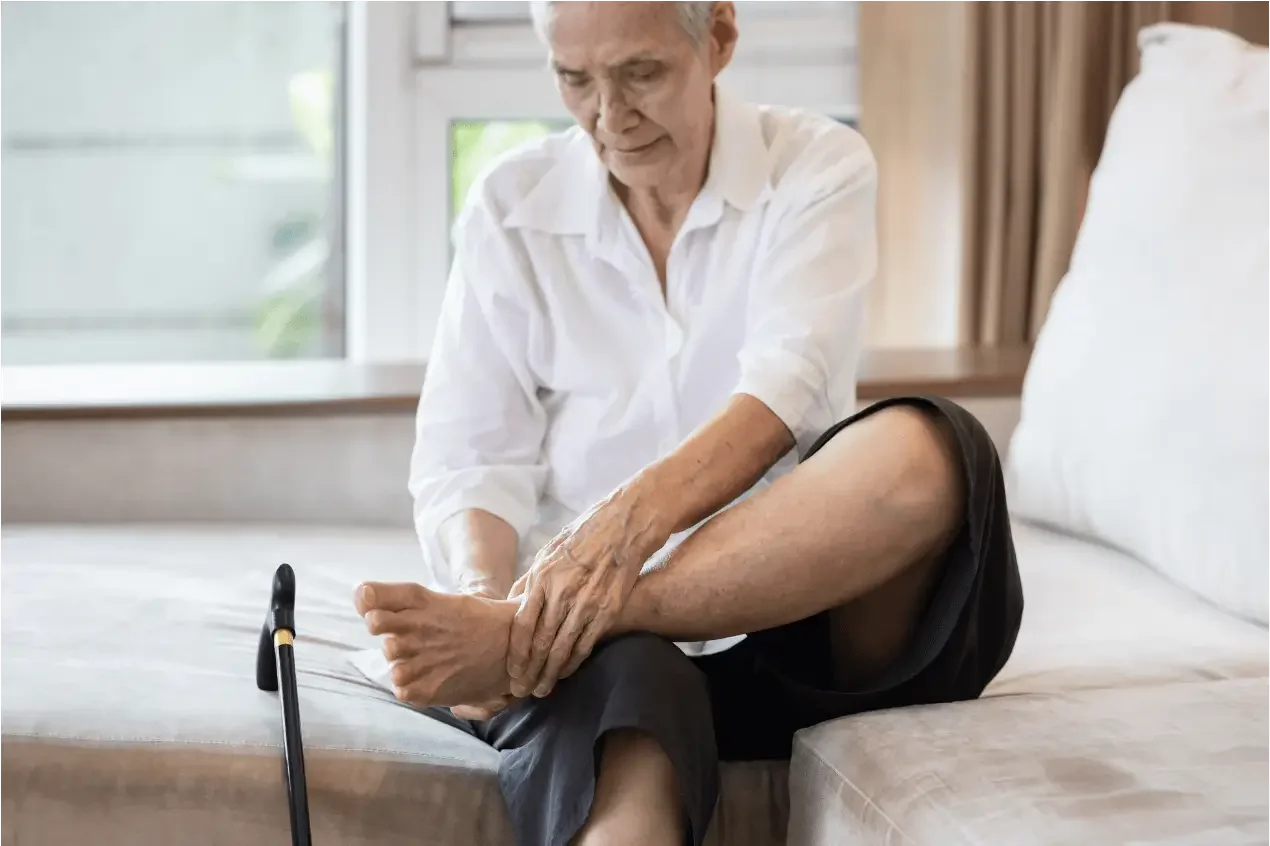
Peripheral neuropathy often announces itself through loss.
Loss of balance that once felt automatic.
Loss of confidence in your footing, your fingers, your reflexes.
Loss of activities that used to be effortless and joyful, now requiring vigilance and carrying frustration or sadness.
Pain, tingling, numbness, are the hallmark symptoms, but for many people, the deeper burden is the ongoing grief of a body that no longer responds the way it once did.
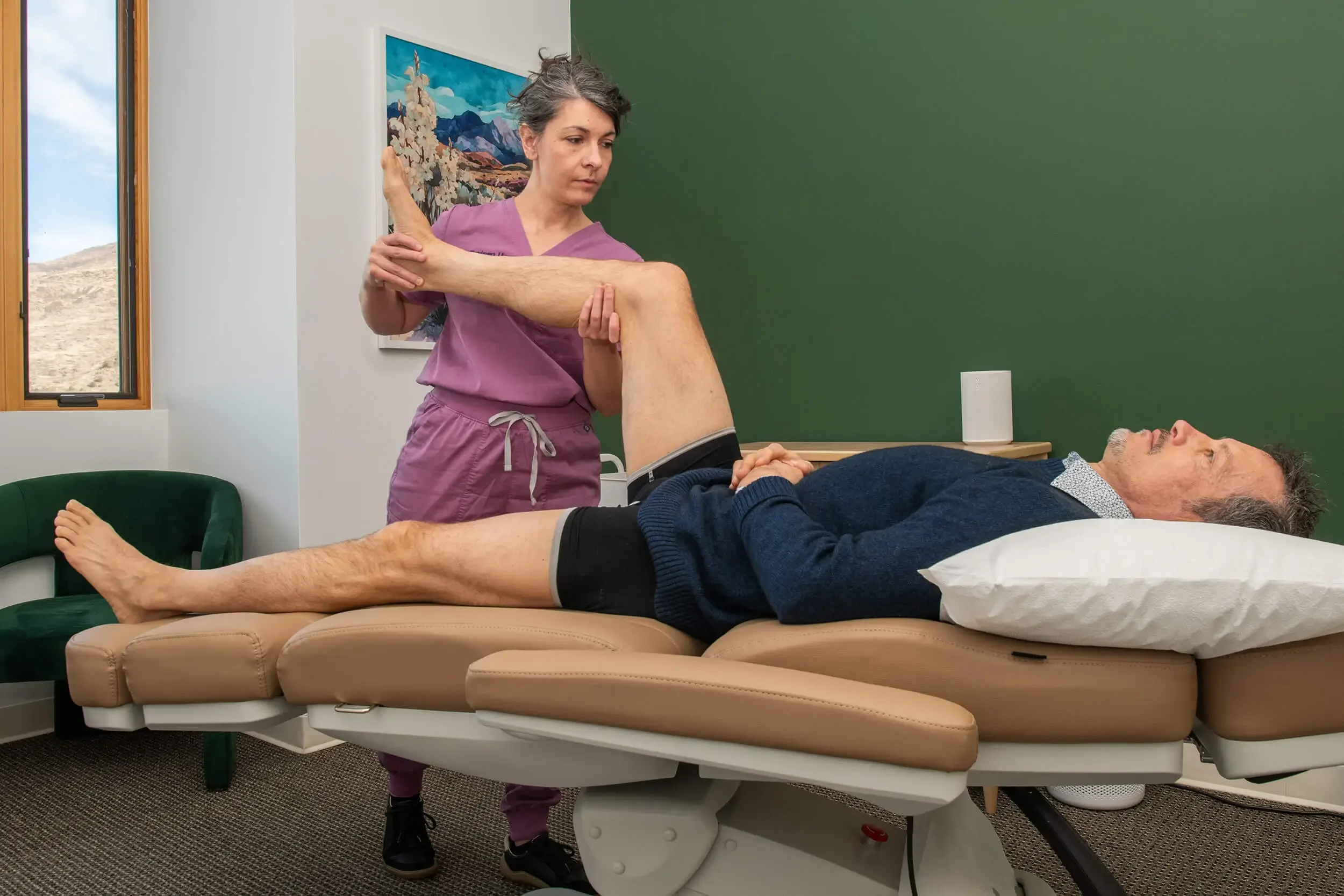
At Zelena Medicine, I treat peripheral neuropathy using research-informed acupuncture and integrative care to improve circulation, modulate inflammation, and support nerve repair, while honoring the very real emotional and functional impact this condition carries.
What is peripheral neuropathy?
Peripheral neuropathy refers to dysfunction or damage of the peripheral nerves: the nerves that carry sensory, motor, and autonomic signals between the brain, spinal cord, and the rest of the body.
When these signals are disrupted, the result may be pain, altered sensation, weakness, balance changes, or reduced fine motor control, affecting primarily the hands and/or feet. Over time, these changes can affect how safely and freely a person moves through daily life.
Peripheral neuropathy is a pattern of nerve damage, with many possible causes:
diabetes
chemotherapy or other medications
physical trauma
autoimmune disease
vitamin deficiency
infections
Who benefits from acupuncture and holistic treatment for peripheral neuropathy?
This work may be a good fit if:
Peripheral neuropathy has limited activities that once felt easy or joyful
Medications have helped only partially, or created additional problems
You are undergoing cancer treatment and want to address neuropathy early
You are a cancer survivor living with lingering treatment effects
You value honest collaboration in your healthcare
You are looking for meaningful change, not a miracle quick fix
Peripheral neuropathy doesn’t just affect nerves; it reshapes how a person lives, moves, and participates in the world.
If you’re ready to explore peripheral neuropathy treatment with holistic medicine and acupuncture that addresses both nerve physiology and lived experience, let’s talk honestly about what’s happening in your body and whether this work makes sense for you.
Using Acupuncture and Integrative Care to Treat
Peripheral Neuropathy
Peripheral nerves have the capacity for repair, but regeneration is slow and easily disrupted.
Medications can reduce discomfort and pain, but they do not address the underlying nerve damage or nerve regeneration. My work focuses on treating the physiological conditions that allow nerves to heal and function more effectively.
At Zelena Medicine, treatment may include acupuncture, bioelectric medicine, and manual therapy. This approach aims to:
Improve circulation to affected tissues
Reduce neuroinflammation that interferes with nerve signaling
Strengthen overall wellbeing and physiological resilience
Stimulate neurochemical and bioelectric processes involved in nerve conduction & repair
What to Expect
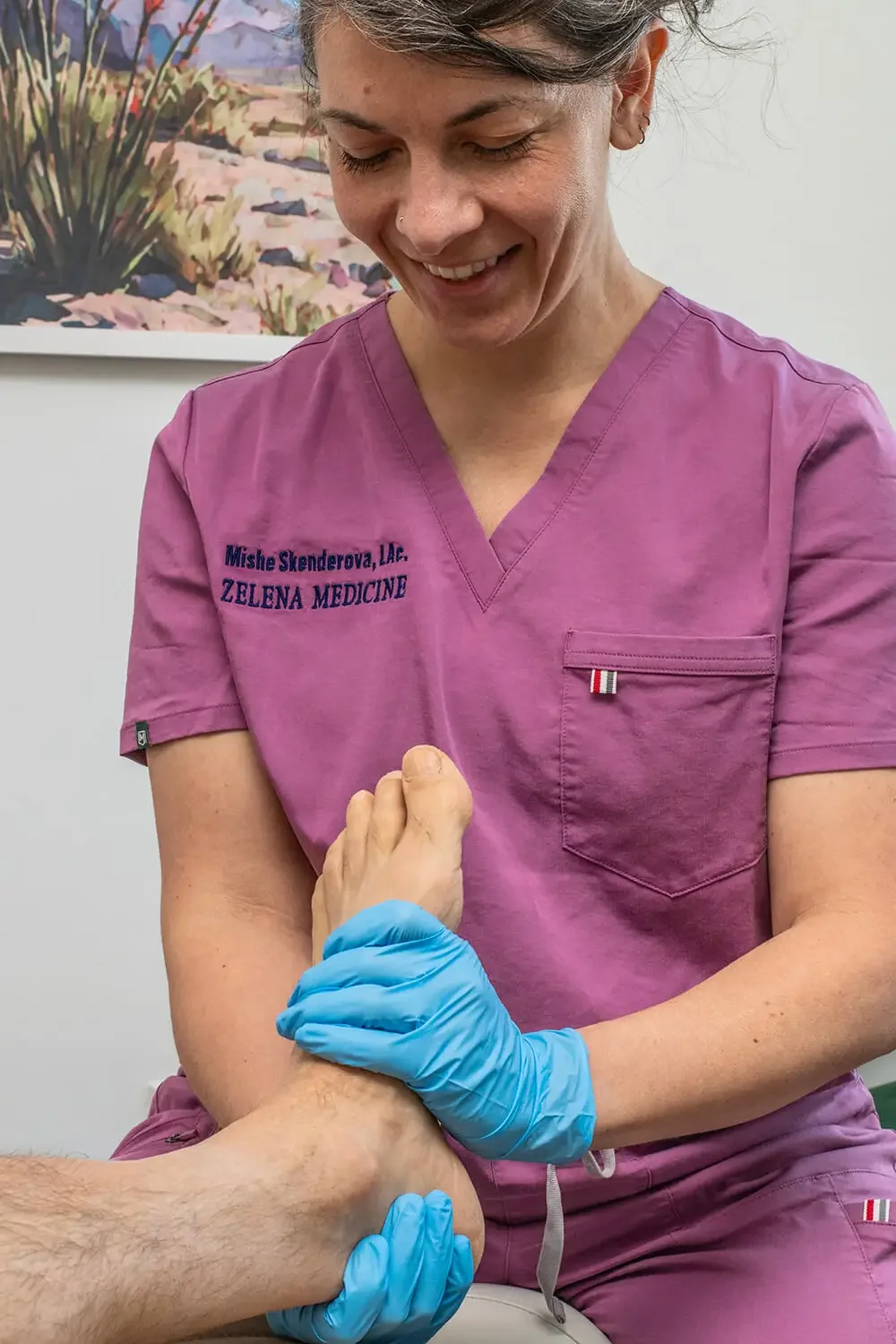
An individualized treatment plan based on your symptoms, health history, and goals
Open communication and attentive care, with space for questions and recognition that your life is bigger than your diagnosis
Rest and recalibration; even though treatment involves acupuncture needles, many people report feeling refreshed or relaxed afterward
A treatment plan designed to support structural and functional change in the nervous system.instead of just mask the symptoms.
With thoughtful, consistent treatment, many patients begin to experience a notable shift. Reduced numbness, tingling, and pain translate into:
Reclaiming function and confidence
A growing sense of trust in movement again
Better balance, coordination, and dexterity
Improved sleep
More ease with daily tasks
Greater enjoyment of activities that feel satisfying, familiar, and life-affirming
Frequently Asked Questions
What patients ask and what studies show about acupuncture and peripheral neuropathy.
-
The research base for acupuncture treatment of peripheral neuropathy has grown substantially over the past two decades, particularly for chemotherapy-induced peripheral neuropathy (CIPN) and diabetic peripheral neuropathy (DPN).
Studies show that acupuncture can reduce pain, improve sensation, and support nerve conduction velocity: the speed at which nerves transmit signals. (Source: Chien et al., 2019; Yu et al., 2021) A 2019 review of multiple studies, published in Integrative Cancer Therapies, found meaningful improvements in CIPN symptoms including pain, numbness, and tingling after acupuncture treatment. (Source: Chien et al., 2019) Research on DPN has shown both faster nerve signaling and lower pain scores after treatment. (Source: Yu et al., 2021; Zhou et al., 2023)
Research suggests acupuncture supports nerve regeneration and the regrowth of nerve fibers by activating the body's own nerve-growth signals: nerve growth factor (NGF), brain-derived neurotrophic factor (BDNF), and glial cell line-derived neurotrophic factor (GDNF). (Source: Yang et al., 2023)
Acupuncture appears to work through several pathways at once: improving blood flow to peripheral nerves, reducing inflammation around them, supporting the body's own pain regulation, and creating better conditions for nerve repair. (Source: Dimitrova et al., 2017; Jin et al., 2020)
-
Multiple research reviews covering more than a thousand patients have found no serious side effects from acupuncture for peripheral neuropathy. (Source: Dimitrova et al., 2017; Jin et al., 2020) The minor effects that do occur, like small bruises, brief soreness at needle sites, or temporary sensitivity during a session, resolve on their own. (Source: Dimitrova et al., 2017; Jin et al., 2020)
This stands in sharp contrast to the medications most often prescribed for neuropathy. Gabapentin, amitriptyline, and opioids commonly cause drowsiness, dizziness, and nausea, and they have not been shown to work for chemotherapy-induced peripheral neuropathy (CIPN) in clinical trials. Duloxetine, currently the only medication recommended by the American Society of Clinical Oncology for established CIPN, helps manage symptoms but causes side effects like fatigue, insomnia, and nausea, and some patients stop taking it. (Source: Jin et al., 2020; Loprinzi et al., 2020; Smith et al., 2013) While these medications manage symptoms, they do not repair nerves. Additionally, there is concern that long term use of some medications may increase risk of dementia or physical dependence, and rebound pain with missed doses. Acupuncture works differently: it supports the body's own repair and regeneration processes.
Some patients notice a temporary increase in tingling or sensitivity partway through treatment. This is not a sign of worsening neuropathy. It is often a sign that nerve conductivity is beginning to change, and that nerves which were effectively silent are starting to respond again. This can feel unfamiliar, even uncomfortable at first. It typically settles as treatment continues.
-
Increased sensitivity partway through a course of treatment is often a sign of nerve repair in progress, not regression. As peripheral nerves begin to heal, the return of their signals can feel like increased sensitivity and discomfort. Typically, with continued treatment, that discomfort resolves.
The analogy: a foot that has been asleep doesn't feel good when it wakes up. The discomfort of waking is not damage; it is change.
If you have concerns about how your body is responding at any point, we discuss it directly.
-
Peripheral nerve repair takes time, and the length of treatment matters. Research has found that noticeable symptom improvement tends to show up after about 16 sessions over 8 weeks, meaning shorter courses may end before the nervous system has had enough input to consolidate change. (Source: Tian et al., 2025)
At Zelena Medicine, a standard course of treatment is 20 to 40 sessions, beginning with twice-weekly visits and tapering in frequency as symptoms stabilize and improve. Twenty sessions is the floor, not an arbitrary number, but a threshold that reflects the time peripheral nerves require to respond, reorganize, and hold their gains.
How long your course runs within that range depends on the severity and duration of your neuropathy, its underlying cause, and how your nervous system responds in the early weeks of treatment. We assess your progress throughout and adjust accordingly.
-
Yes. Diabetic peripheral neuropathy (DPN) is one of the most studied applications of acupuncture for nerve pain, and the findings hold up across different types of studies.
A clinical trial of 62 DPN patients found a significant and lasting reduction in symptoms, pain, and quality of life measures after acupuncture, compared to patients receiving routine care alone. Side effects were minor and short-lived. (Source: Dietzel et al., 2023) A larger review found that acupuncture-treated patients had a 38% higher rate of meaningful improvement than those receiving medication alone, alongside measurable improvements in nerve signaling across multiple nerves. (Source: Ge et al., 2024) A large analysis combining more than 60 studies and almost 6,000 patients confirmed acupuncture's effectiveness for DPN, with electroacupuncture showing the strongest effect on motor nerve signaling. (Source: Lin et al., 2025)
Acupuncture addresses the underlying drivers of DPN directly: blood flow to the nerves in the feet and hands, inflammation around those nerves, and the conditions nerves need to heal. These are not problems that blood sugar control alone resolves in most patients, which is why many people with well-managed diabetes continue to experience progressive neuropathy.
Treatment is most effective when it begins before neuropathy becomes severe, and in conjunction with standard diabetic medical care. If you have a DPN diagnosis or early symptoms, even mild tingling or numbness in the feet, earlier intervention gives the nervous system more to work with.
-
Yes, and it is usually the most responsive to treatment.
Chemotherapy-induced peripheral neuropathy is one of the most disruptive and undertreated side effects of cancer treatment. Conventional medicine has limited tools for addressing it: the primary approach is to reduce chemotherapy dose or discontinue treatment, which carries its own significant risks. Most medications used for CIPN manage pain without addressing the underlying nerve damage.
Research, including studies conducted at major cancer centers, has found that acupuncture can reduce CIPN severity, improve sensation, and support quality of life during and after treatment. A 2020 clinical trial conducted at Memorial Sloan Kettering Cancer Center and published in JAMA Network Open found that real acupuncture reduced lasting CIPN symptoms compared to usual care, and worked better than sham acupuncture. (Source: Bao et al., 2020)
I work with both patients currently in treatment and cancer survivors whose CIPN has persisted after chemotherapy has ended. Both groups can benefit, though the approach and pacing differ.
-
Idiopathic peripheral neuropathy, where no clear underlying cause can be identified, is also the least studied. This is not surprising: it is hard to study a condition defined by having no identifiable cause, which means the evidence base is thin not because treatment doesn't work, but because the research hasn't been done.
What exists is promising. A small pilot study of patients with peripheral neuropathy of unknown cause found that 76% (16 of 21 patients) of the acupuncture group improved both in symptoms and on objective tests of nerve function, compared to 15% (4 of 26 patients) in the control group who received standard care. (Source: Schröder et al., 2007)
Clinically, results with idiopathic neuropathy are more variable than with DPN or CIPN. Some patients experience significant improvement; others see partial gains. The honest answer is that we don't always know in advance which group you'll fall into. What I can tell you is that acupuncture addresses the physiological conditions involved in nerve damage regardless of the original trigger, and that if you've been told nothing can be done because there's no identifiable cause, that conclusion isn't supported by the evidence.
-
You do not need to wait.
There is a strong clinical rationale for treating CIPN during active chemotherapy rather than after. The goal in this phase is to slow the progression of damage.
CIPN is a recognized reason oncologists reduce or stop chemotherapy. The American Society of Clinical Oncology recommends that doctors consider delaying doses, lowering doses, or stopping chemotherapy when neuropathy becomes intolerable or interferes with nerve function. (Source: Loprinzi et al., 2020) Keeping neuropathy manageable throughout your course of treatment may help you complete the full protocol your oncologist has planned.
Based on clinical observation, treatment during chemotherapy may reduce symptoms for some, and help stabilize neuropathy symptoms and limit progression, even in cases where it does not produce dramatic improvement in the short term. Formal research in this specific area is still developing.
Treatment during active chemotherapy is adapted appropriately. We discuss your current treatment plan, recent bloodwork, and anything that might affect how we approach your care before we begin.
-
What research shows: studies on acupuncture for peripheral neuropathy consistently show real reductions in pain, improvements in sensation, and measurable changes in nerve signaling. These are documented outcomes, supported by peer-reviewed research.
What I know from clinical practice is that most people respond to treatment. Some patients experience significant improvement, and others experience meaningful but partial gains. A small number of people do not respond as hoped for various reasons. The factors that influence this are severity and duration of neuropathy, underlying cause, overall health, consistency of treatment.
Conventional medications can quiet the signal of pain. Acupuncture works at a different level: supporting circulation, reducing inflammation, and creating the conditions nerves need to repair.
-
References
Bao T, Patil S, Chen C, Zhi IW, Li QS, Piulson L, Mao JJ. Effect of Acupuncture vs Sham Procedure on Chemotherapy-Induced Peripheral Neuropathy Symptoms: A Randomized Clinical Trial. JAMA Netw Open. 2020 Mar 2;3(3):e200681. doi: 10.1001/jamanetworkopen.2020.0681. PMID: 32159808; PMCID: PMC7066475.
Chien TJ, Liu CY, Fang CJ, Kuo CY. The Efficacy of Acupuncture in Chemotherapy-Induced Peripheral Neuropathy: Systematic Review and Meta-Analysis. Integr Cancer Ther. 2019 Jan-Dec;18:1534735419886662. doi: 10.1177/1534735419886662. PMID: 31833790; PMCID: PMC7242803.
Dietzel J, Habermann IV, Hörder S, Hahn K, Meyer-Hamme G, Ortiz M, Hua K, Stöckigt B, Bolster M, Grabowska W, Roll S, Binting S, Willich SN, Schröder S, Brinkhaus B. Acupuncture in Patients with Diabetic Peripheral Neuropathy-Related Complaints: A Randomized Controlled Clinical Trial. J Clin Med. 2023 Mar 7;12(6):2103. doi: 10.3390/jcm12062103. PMID: 36983105; PMCID: PMC10055667.
Dimitrova A, Murchison C, Oken B. Acupuncture for the Treatment of Peripheral Neuropathy: A Systematic Review and Meta-Analysis. J Altern Complement Med. 2017 Mar;23(3):164-179. doi: 10.1089/acm.2016.0155. PMID: 28112552; PMCID: PMC5359694.
Ge R, Liu R, He M, Wu J, Zhang F, Huang C. The efficacy of acupuncture for diabetic peripheral neuropathy: a systematic review and meta-analysis of randomized controlled trials. Front Neurol. 2024 Dec 20;15:1500709. doi: 10.3389/fneur.2024.1500709. PMID: 39758782; PMCID: PMC11697586.
Jin Y, Wang Y, Zhang J, Xiao X, Zhang Q. Efficacy and Safety of Acupuncture against Chemotherapy-Induced Peripheral Neuropathy: A Systematic Review and Meta-Analysis. Evid Based Complement Alternat Med. 2020 Nov 9;2020:8875433. doi: 10.1155/2020/8875433. PMID: 33224260; PMCID: PMC7669337.
Lin S, Qin Y, Li M, Zhu M, Wen H, Liu Y, Lin H, Lu L. Acupuncture for diabetic peripheral neuropathy: A systematic review and Bayesian network meta-analysis. Medicine (Baltimore). 2025 Aug 8;104(32):e43796. doi: 10.1097/MD.0000000000043796. PMID: 40797458; PMCID: PMC12338170.
Loprinzi CL, Lacchetti C, Bleeker J, Cavaletti G, Chauhan C, Hertz DL, Kelley MR, Lavino A, Lustberg MB, Paice JA, Schneider BP, Lavoie Smith EM, Smith ML, Smith TJ, Wagner-Johnston N, Hershman DL. Prevention and Management of Chemotherapy-Induced Peripheral Neuropathy in Survivors of Adult Cancers: ASCO Guideline Update. J Clin Oncol. 2020 Oct 1;38(28):3325-3348. doi: 10.1200/JCO.20.01399. PMID: 32663120.
Schröder S, Liepert J, Remppis A, Greten JH. Acupuncture treatment improves nerve conduction in peripheral neuropathy. Eur J Neurol. 2007 Mar;14(3):276-81. doi: 10.1111/j.1468-1331.2006.01632.x. PMID: 17355547.
Smith EM, Pang H, Cirrincione C, Fleishman S, Paskett ED, Ahles T, Bressler LR, Fadul CE, Knox C, Le-Lindqwister N, Gilman PB, Shapiro CL; Alliance for Clinical Trials in Oncology. Effect of duloxetine on pain, function, and quality of life among patients with chemotherapy-induced painful peripheral neuropathy: a randomized clinical trial. JAMA. 2013 Apr 3;309(13):1359-67. doi: 10.1001/jama.2013.2813. PMID: 23549581; PMCID: PMC3912515.
Tian H, Luo Q, Huang L, Chen G, Sun M, Liang F. Exploration of the quantitative-effectiveness association between acupuncture temporal parameters and chemotherapy-induced peripheral neuropathy in cancer patients: a dose-response meta-analysis of randomized controlled trials. Front Oncol. 2025 Feb 12;14:1527331. doi: 10.3389/fonc.2024.1527331. PMID: 40034252; PMCID: PMC11873836.
Yang Y, Rao C, Yin T, Wang S, Shi H, Yan X, Zhang L, Meng X, Gu W, Du Y, Hong F. Application and underlying mechanism of acupuncture for the nerve repair after peripheral nerve injury: remodeling of nerve system. Front Cell Neurosci. 2023 Oct 24;17:1253438. doi: 10.3389/fncel.2023.1253438. PMID: 37941605; PMCID: PMC10627933.
Yu B, Li M, Huang H, Ma S, Huang K, Zhong Z, Yu S, Zhang L. Acupuncture treatment of diabetic peripheral neuropathy: An overview of systematic reviews. J Clin Pharm Ther. 2021 Jun;46(3):585-598. doi: 10.1111/jcpt.13351. PMID: 33511675; PMCID: PMC8247887.
Zhou L, Wu T, Zhong Z, Yi L, Li Y. Acupuncture for painful diabetic peripheral neuropathy: a systematic review and meta-analysis. Front Neurol. 2023 Nov 16;14:1281485. doi: 10.3389/fneur.2023.1281485. PMID: 38046594; PMCID: PMC10690617.